

Spine, Nerve, & Musculoskeletal Conditions
Evaluation is typically sought for persistent or activity-limiting pain despite initial treatment, with the goal of identifying the primary pain generator and determining whether intervention is warranted.
Spine Conditions
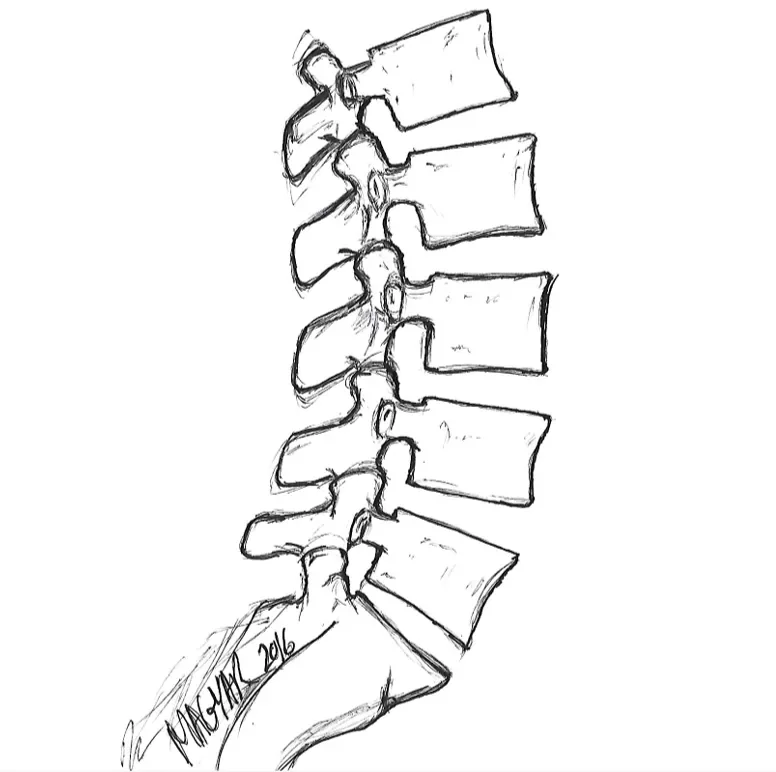
Spine-related pain is often not explained by one structure alone. Symptoms may reflect a combination of disc, joint, nerve, sacroiliac, muscular, postural, or movement-related factors.
Evaluation focuses on identifying the most likely pain source, understanding relevant mechanical contributors, and determining the appropriate next step — whether that is rehabilitation planning, osteopathic treatment, image-guided treatment, further imaging, or referral when needed.
Lumbar Radiculopathy
Cervical Radiculopathy
Sciatica
Pinched Nerve
Vertebrogenic Pain
Discogenic Pain
Mid Back Pain
Herniated Disc
Sports & Musculoskeletal Conditions
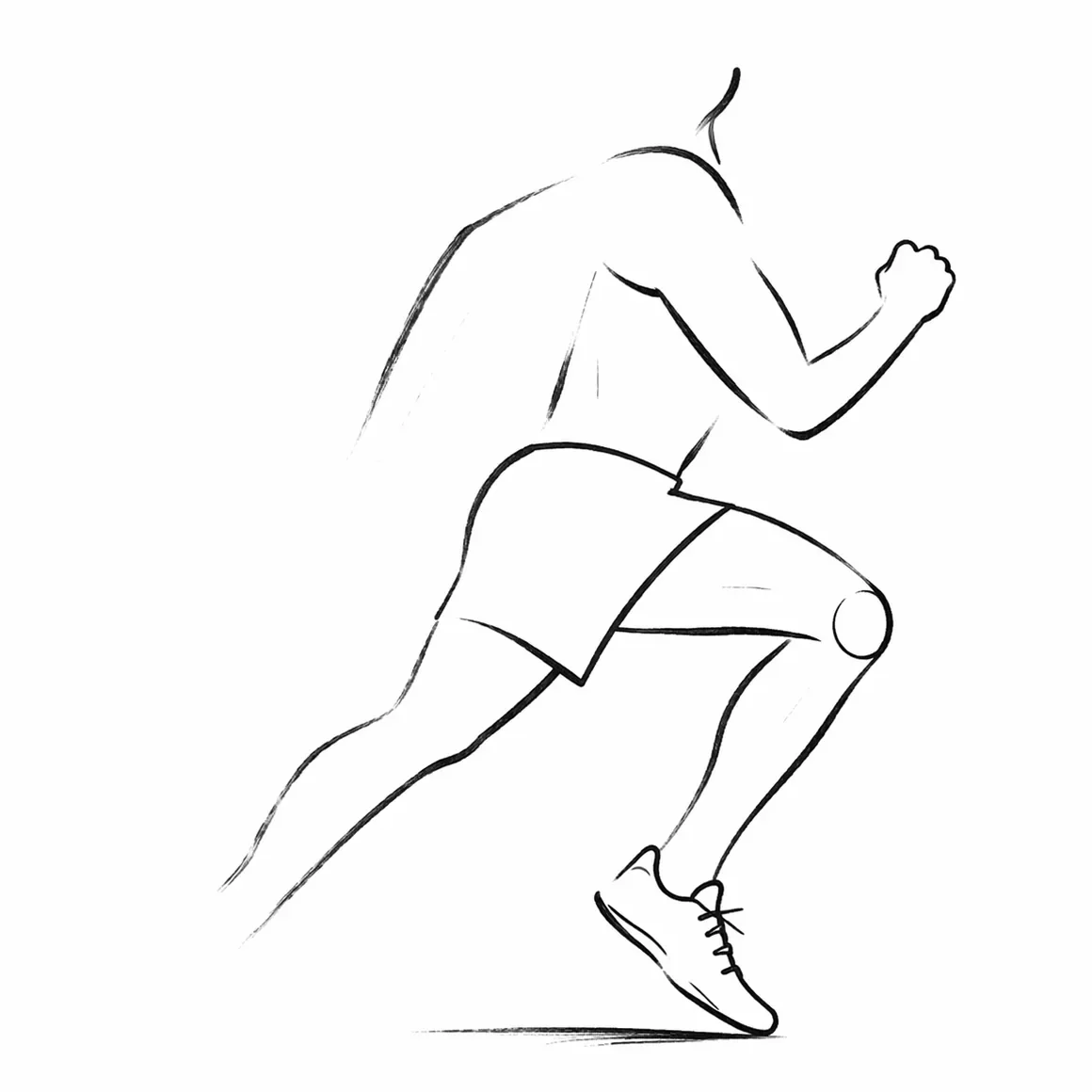
Includes acute injuries, overuse conditions, and biomechanical pain patterns.
Symptoms often relate to activity, movement patterns, or overuse, and may vary with training intensity, biomechanics, or prior injury.
Tendon Injuries
Muscle Injuries
Overuse Injuries
Activity-Related Pain
Nerve & Pain Conditions
Conditions involving nerve irritation or entrapment are evaluated with a focus on localization and contributing factors.
Nerve-related symptoms are sometimes described as a “pinched nerve,” although the underlying cause and location can vary. Symptoms may include burning, tingling, numbness, or localized pain that follows a specific distribution.
Carpal Tunnel Syndrome
Cubital Tunnel Syndrome (Ulnar Neuropathy)
Meralgia Paresthetica (Lateral Thigh Nerve Pain)
Peripheral Nerve Entrapments
Cervical and lumbar radiculopathy (commonly described as a ‘pinched nerve’ or sciatica) are addressed within the spine conditions sections.
Intercostal Neuralgia
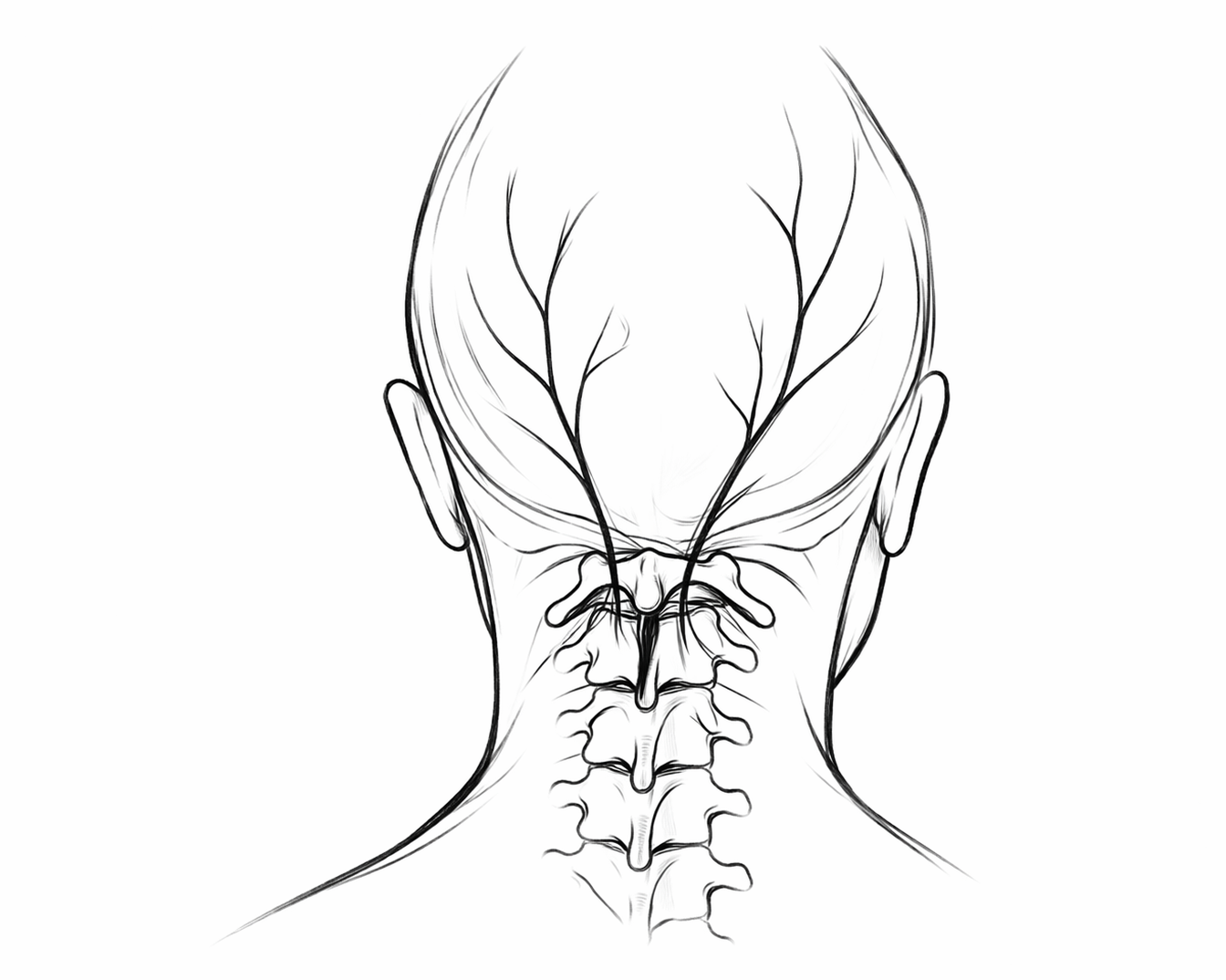
Occipital Neuralgia
Cervicogenic Headache
Complex Regional Pain Syndrome (select cases)
Not Every Condition Requires Intervention
Many imaging findings—such as disc bulges or degenerative changes—are common and not always responsible for symptoms.
Treatment decisions are based on clinical correlation, functional impact, and response to prior care.
When appropriate, care may involve targeted rehabilitation, activity modification, osteopathic treatment, diagnostic clarification, or image-guided intervention.
When Treatment Is Not Providing Enough Progress
Pain may prevent meaningful participation in physical therapy, chiropractic care, exercise, or other conservative treatment. In other cases, symptoms persist or improvement remains temporary despite consistent care. A focused reassessment can help clarify what is limiting progress and whether treatment should be continued, revised, or supplemented.

How Conditions Are Evaluated
History & Symptom Assessment
Pain location, onset, activity triggers, and prior treatment response are reviewed to identify likely pain sources.
Physical Examination
Includes neurologic, musculoskeletal, and osteopathic structural assessment when relevant.
Imaging Review
Imaging is reviewed or ordered selectively when it is expected to influence diagnosis or management.
Findings are discussed clearly, and next steps are determined through an individualized plan.
Request a Consult
Appropriate for patients seeking structured evaluation of spine, nerve, or musculoskeletal pain.